


REPORTING RIGHT WILL BE AT IRE JUNE 18-21
For a workshop on COVERING RIGHT-WING EXTREMISM
If you did a story you’d like to share with colleagues
WE ARE LOOKING FOR JOURNALISTS TO JOIN US
When Christian Nationalism Comes to Town
Christian Nationalism— which prioritizes religious doctrine over constitutional law — poses a grave threat to religious freedom in America.
But reporting on this can be a challenge.
Some audiences hear “Christian Nationalism”and think you are bashing Christians.
Others hear that Christian Nationalist believe our country was founded on Christian principles, and think: Of course, it was.
Still others may have some sense of our nation’s commitment to religious freedom. But they don’t really know what that means in practice.
When we report on Christian Nationalism we may be more effective if we focus on the specific freedom-robbing aspects of the ideology today and avoid history lessons.
Christian Nationalists believe:
The United States should govern via the Bible. This is what theocracies do.
Americans ought to have a religion imposed on their children in school via curriculum, bibles in the classroom, and religious iconology in the hallways. This is a violation of parental rights.
People of only one religion should lead the country. This is what they do in Iran.
Researchers who study Christian Nationalism know it’s a road to authoritarianism.
When reporting on local efforts to impose Christian Nationalist ideas in local government, we should prioritize understanding.
We should assume audiences aren’t acutely aware of how Christian Nationalism could rob them of freedoms they hold dear. We should let them know.
TIPS FOR REPORTING ON CHRISTIAN NATIONALIST POLICY
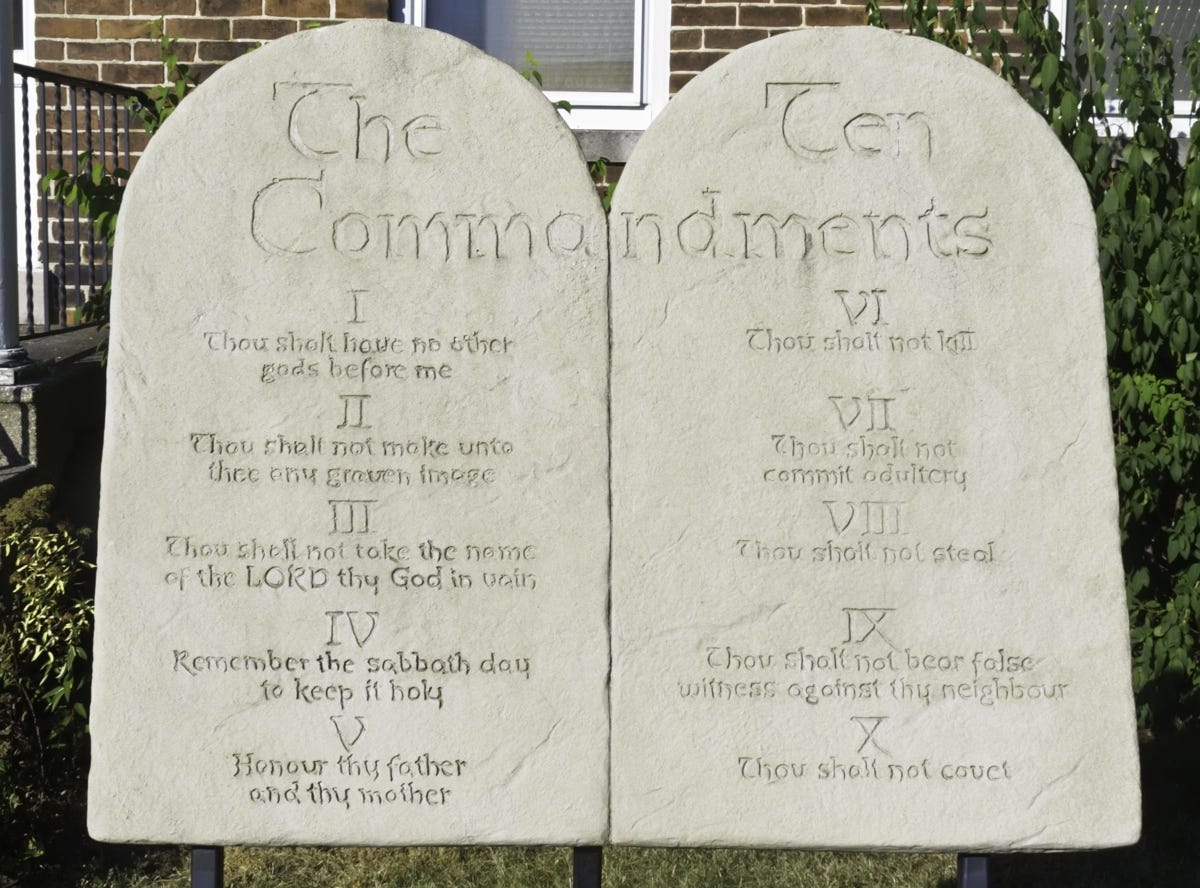
Whether you are covering a plan to put the Ten Commandments in front of City Hall, add bibles to public school classrooms, or infuse a district’s curriculum with Christian principles, it’s important to make the connection to Christian Nationalist ideology.
Identify what’s unconstitutional:
Keep it simple
Avoid statements that sound like opinions
Include the voices of lawyers etc. who can lay out how a policy conflicts with law
For example: “The Constitution says the government can’t favor one religion over another. Critics argue this policy crosses that line.”
Interview Christian critics:
If you only quote secular advocacy groups, sympathetic audiences may tune you out
Instead, quote:
Pastors who oppose government-imposed religion
Mainline Protestants concerned about pluralism
Black church leaders with civil rights perspectives
Catholic voices who defend church-state separation
Ask governance questions that highlight potential victims:
“What happens to families who interpret Christianity differently?”
“What protections exist for Jewish, Muslim, atheist, or non-evangelical students?
“What happens if the (state) constitution conflicts with a policy?”
SOME FACTS
According to a recent report by the Public Religion Research Institute:
1/3 of all Americans lean Christian Nationalist
56 percent of Republicans support the ideology
54 percent of Hispanic Protestants adhere to Christian Nationalist ideas
Christian Nationalists are more likely to support political violence.
Also in the news
State of Union: While Trump was calling Dems losers, three more were winning state races
Could Candace Owens take Erika Kirk down? She’s trying in this new doc.
MAHA backlash over weed killer
Bible-infused curriculum in Texas has some issues
We’re Reading
Everything by Christian Nationalist expert Katherine Stewart

Comic Relief

If You Like What You Are Reading:
Reach out for help at ReportingRight@googlegroups.com.
Tell your fellow reporters to subscribe.


See You Next Week!
Our Staff
Executive Editor Kyle Spencer
Our Board of Advisors
Alex Aronson, executive director of Court Accountability
David Armiak, research director for the Center for Media and Democracy
Connor Gibson, founder of Grassrootbeer Investigations
Maurice Cunningham, retired associate professor of political science at the University of Massachusetts at Boston and author of Dark Money and The Politics of School Privatization.
Isaac Kamola, associate professor of political science at Trinity College, founder of Faculty First Responders and co-author of Free Speech and Koch Money, Manufacturing a Campus Culture War
Nancy MacLean, William H. Chafe distinguished professor of history and public policy at Duke University and author of Democracy in Chains: The Deep History of the Radical Right’s Stealth Plan for America
Ralph Wilson, founder of the Corporate Genome Project and co-author of Free Speech and Koch Money, Manufacturing a Campus Culture War
Copyright (C) 2026. All rights reserved.