


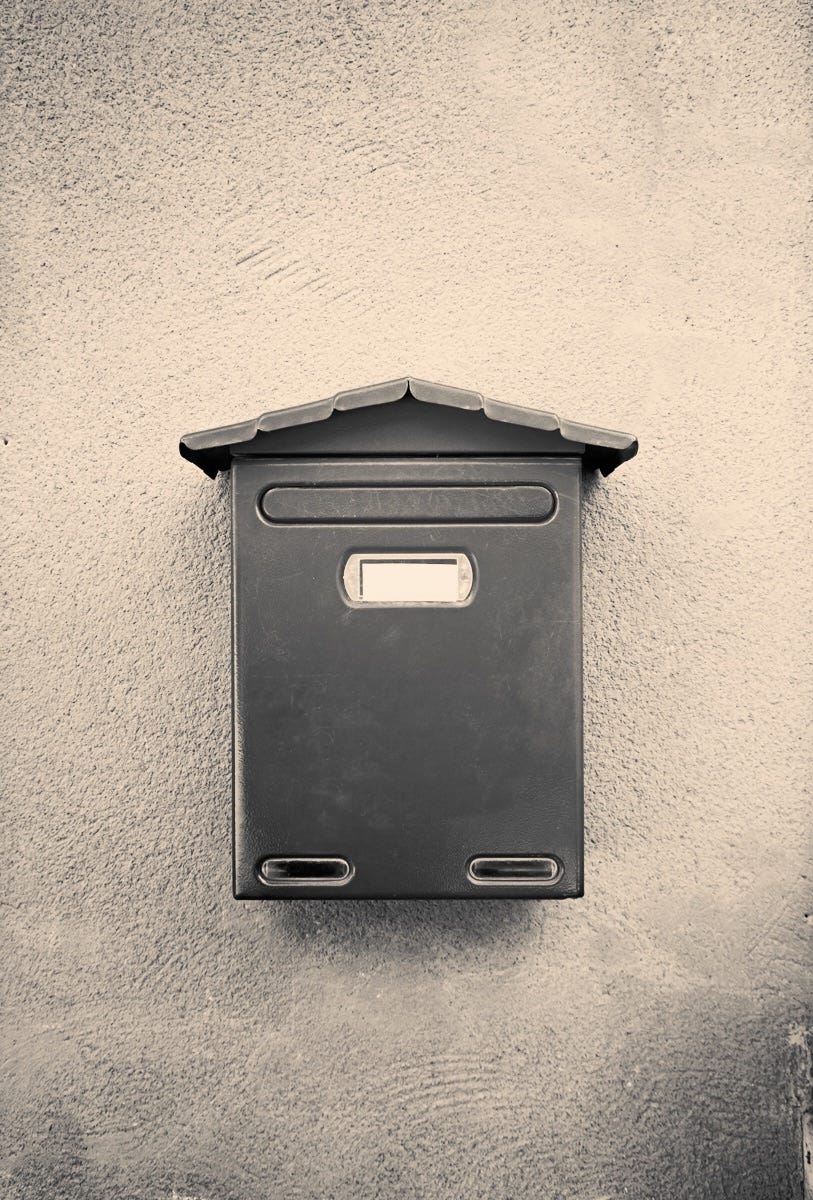
THIS WEEK: SCOTUS Goes Postal
Few people are as gifted as Trump at finding creative ways to erode away at electoral accountability.
But…this week SCOTUS put the kibosh on his latest plan to inject chaos into the upcoming midterms by charging an already over-taxed and under-staffed postal service with the job of overseeing a slew of new, very arbitrary ballot regulations.
This should not be interpreted as a sign that SCOTUS has a real problem with a lot of things a lot of people consider undemocratic and unconstitutional. But it does mean that there is a level of national chaos that is apparently a bridge too far for our justices.
We suspect this will not be the last time we hear about the United States Postal Service this election cycle. What’s its deal and what’s its relationship to elections? If you have found yourself wondering these things of late, we’ve got you covered.
FAQ About the USPS
Q: Wait, do we still have one?
A: Yes. Sad, lonely letters do occasionally find themselves in its charge. And…ballots are actually a big part of its job.
Q: Can you say more?
A: Yes. Nowadays, the postal service plays a huge role in the American voting process. In the last election cycle, nearly one in three voters cast their vote by mail. That’s 48 million votes.
Q: Let me guess? More Dems vote by mail than Republicans.
A: Bingo! In fact among Democrats, one in four vote by mail.
Q: Is this an age thing?
A: Sort of. Voting by mail is especially common among voters 65 and older.
Q: So, what are the rules?
A: It depends on your state. Some states require you to have an “excuse” to not vote in person. Other states send everyone a ballot. More HERE.
Q: How do I help people make sense of this so their vote is counted?
A: Glad you asked. Efforts among the administration to change rules quickly and confusingly (even though the Constitution gives states the primary responsibility over elections) will likely continue. Here’s how to make sure the people in your community cast votes that count.
Tell Them:
1. Prioritize early in-person voting.
2. If voting by mail, request and return your ballot early.
3. Consider using an official drop box if you have to.
4. Follow and track your ballot. Many states allow this now. Sign up for alerts, if they exist.
5. Respond immediately if your ballot needs correcting. Some — but not all — states require that you get notified if there is a problem. Still, the window to fix it can be very short.
6. Have a back-up plan if voting by mail gets too complicated. Know where your polling location is, in case you need to vote there. Be careful, though, that you understand the rules in your state about unused ballots that were sent to you and/or a ballot that has been cast but not accepted. You can get that info at your local election office.
7. Rely on those election offices for info, updates and any new rules. Don’t rely on social media posts. Some may be inaccurate.
8. Be wary of social media posts that claim voting has been “banned” or “canceled” or that mailed ballots will be discarded.
Also in the News:
States are taking Citizens United to task with their own ballot initiatives.
Are the Dems finally getting social?
60 Minutes launches new season with a Trump story that doesn’t implicate Trump. Coincidence?
Economic Inequality: Ways to cover it.
We’re Reading:
Mailman
by Stephen Starring Grant

Comic Relief:

If You Like What You Are Reading:
Reach out for help at ReportingRight@googlegroups.com.
Tell your fellow reporters to subscribe.


See You Next Week!
Our Executive Editor
Kyle Spencer
Copyright (C) 2026. All rights reserved.