


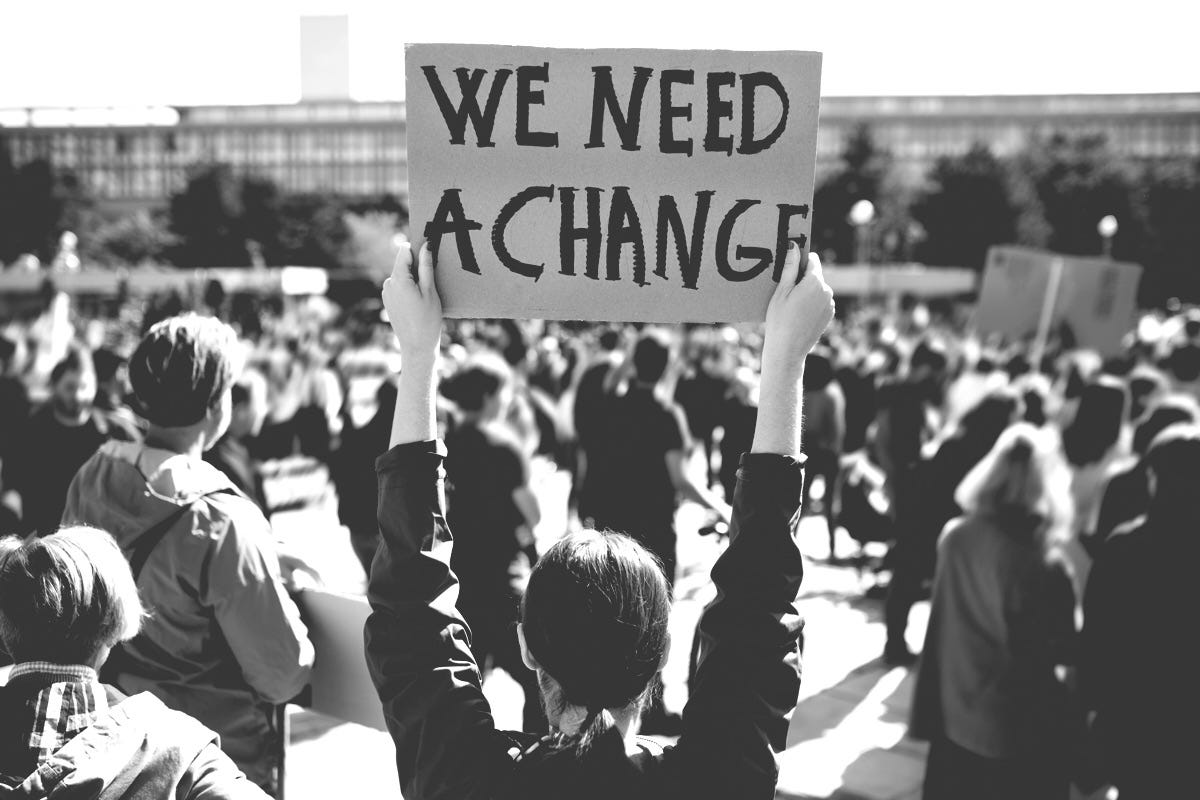
THIS WEEK: Fear and Voting
Early voting is underway. And tensions are running high.
Nationwide protests in France and parts of Italy can be alarming enough — but since we’ve seen our own election-related violence in recent years, newsrooms around the country are on high alert.
How do we inform voters, without alarming them and/or discouraging them from voting?
Check out our tips and register for the below online workshop, next Friday, hosted by our friends at Over Zero and Protect Democracy!
OCTOBER 30: ELECTION COVERAGE WORKSHOP reporting on protests, election suppression & more
TIPS FOR LOCAL MIDTERM COVERAGE
Inform, don’t scare
Sure you want to let people know if bad actors are disrupting elections, and/or intimidating voters. But be careful you don’t:
Overblow a story
Become a mouthpiece for bad actors who want to instill fear or use the media to threaten or de-legitimize elections
Confuse your audience about who is responsible and how widespread the issue is
Use sensational, alarmist language
Be clear, don’t exaggerate
Whether you are covering a protest, acts of civil disobedience or acts of violence make sure you are clear in your reporting about who is involved and what their issues/demands are. If protesters are trafficking in misinformation, it’s crucial to highlight that, without spreading it. Don’t forget to utilize the Truth Sandwich.
What’s working
There are so many great process stories to tell about the people who make elections run smoothly. As we head into next week, be sure to focus at least some of your reporting on who’s prepping for Election Day, what they are doing, and how they are doing it.
Math matters
Is it one person or 10,000 people who are protesting? Is one polling station experience problems, or dozens? Is there disruption in one part of town, or all over? These details matter. Leaving them out can mislead voters about how safe they are and how chaotic the voting process really is.
Avoid alarmist headlines
We don’t usually write the headlines and subheadlines ourselves, but it’s important to keep the people who do, honest. Make sure your stories aren’t getting misleading titles.
Follow up with updates. Don’t be afraid to downgrade
When allegations start flying, we are quick to report. Sometimes, as more info comes out, we discover we are reporting on a real, wide-scale problem. Other times, it becomes clear that whatever concerns were brought to us turned out to be a nothing sandwich. Make sure not to drop the story. But instead, go back to your audience and let them know what you’ve learned and what those in charge of election integrity are doing about it.
Want more tips?
Sign up for the below workshop!
Also in the News:
We’re Watching:
10 Great Political Docs

Comic Relief:

If You Like What You Are Reading:
Reach out for help at ReportingRight@googlegroups.com.
Tell your fellow reporters to subscribe.


See You Next Week!
Copyright (C) 2026. All rights reserved.